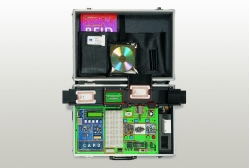
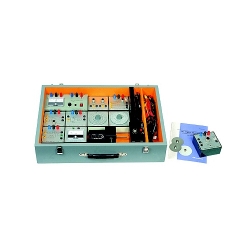
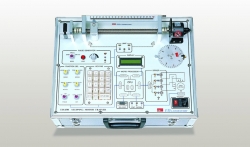
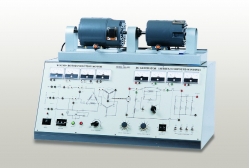
ADSL Training System ED-NET-2

Cod: ED-NET-2


Brosura produs PDF, 0.76 Mb

Descriere

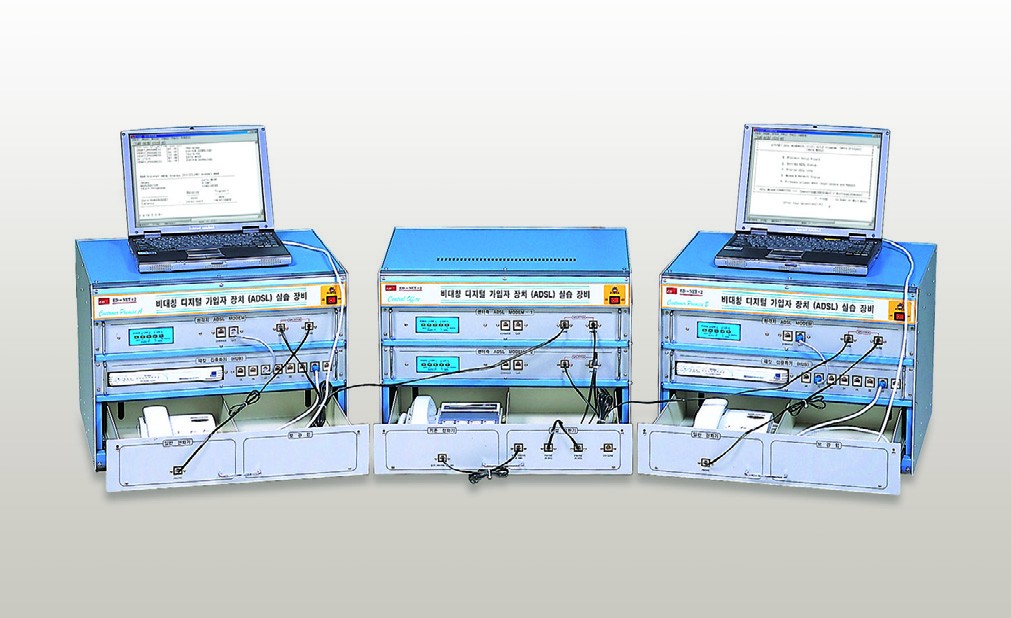
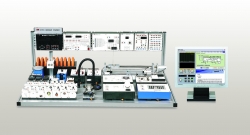
Covering experiment topics for a course of 8 weeks, each system set starts from basic theories and understanding of the essential equipments with real field installation, and ends with use of the installd network and identification of minitoring tasks. Each chapter of the Experimental Manual consists of theory(2 hours) and practice(2 hours)


Features:

  • Wide learning coverage from the basic theories of ADSL and high-speed telecommunication to field wire arrangement
  • Study of functions, characteristics, installation, repair and maintenance of basic ADSL components such as Telephone Exchange, Splitter, DSLAM, ADSL Modem, HUB and LAN Card
  • Network structure through interworking experiments with Internet and capability of Internet usage and simple programming
  • Capable of interworking experiments with ED-NET-3(LAN Training System)


EXPERIMENTS

  • Overview of ADSL and introduction to xDSL
  • LAN Card installation
  • Field practices of wire arrangement among ADSL products
  • Concept of HUB and HUB setup practice
  • Function of Splitter and connection with telephone
  • Function of DSLAM and Interface setup
  • Program operation for Packet Analysis
  • Network design and programming
  • Interworking functionality for LAN Training System


Alte produse ED

ALLEN-BRADLEY SLC-500 MODULAR PLC TRAINER ED-4260AB

• ALLEN-BRADLEY SLC-500 PLC programming and execution
• Modularization of the devices essential for PLC I/O commands
• Experiments for basic command and various application program
• Binary data experiments with 4digits digital switch and display unit
• Customizable for various types of SLC-500 Series CPU upon request


COMPUTER-INTEGRATED MANUFACTURING TRAINER ED-CIM

• Computer-Integrated Manufacturing Training System under the application of advanced control technology for real field experiences
• Capable of "per unit" configuration into the two or more processes, or entire processes for customized experiments by combining each process


SENSOR TRAINER FOR FACTORY AUTOMATION ED-6830

• Integrated sensor training system covering electricity, electronics, automation and chemistry
• Consists of 24 sensor modules, 8 application modules, 5 conversion modules, 2 signal prossing modules, 11 pneumatic components and power supply
• PC-based control for convenient, effective data collection and analysis
• Application module experiments(illumination, pneumatic auto coor, motor, temperature) for enhancing field experiences


FUEL CELL TRAINER ED-9741

• Testing of load for maximum four fuel cell at the same time
• Removable type of electrical dissolution and fuel cell from main body
• Monitoring through LabVIEW program


RFID APPLICATION TRAINER ED-3100

• Various types of test point for Air-interface experiments
• Anti-collision function
• OCX Library useful for application engineers
• 13.56MHz I-CODE Type in common usage
• Capability of reading and writing data on Tag


ELECTRICAL MACHINE TRAINER ED-5300

• 19 types of modules & graphic boards
• 25 types of electrical machine assembly
• Experimental board rack & storage trolley


CONVEYOR CONTROL SIMULATION UNIT CU-4001

• Belt-type conveyor simulator
• Control Modes : manual or automatic by programmable Logic Controller
• Three photo sensors and two motion solenoids


PNEUMATICS TRAINER ED-7860

• Convenient parts fixation by ‘one-touch lever’ bases and aluminum profile structure
• Efficient space utilization by mounting parts horizontally/vertically
• A complete pneumatic training system to help achieve advanced level of skills and obtain pneumatic engineering related licensesOver


PORTABLE MITSUBISHI PLC TRAINER ED-4260MP

• Industrial training enhancement in the field of PLC and sequence control
• Various types of programming experiments covering a digital numeric program
• Aluminum case structure for storage and locomotive convenience
• Built-in DC power supply and built-in expansion port


INVERTER TRAINER ED-4280M

• Aluminum hard case structure for mobility
• Applied experiments on the motor’s rotation characteristics
• AC motor control technology using the inverter
• Interlocking experiments with Programmable Logic Controller