
Privacy policies
GDPR data Terms of use Cookies policy Privacy policy Delivery and Payment How to order?
Privacy policies
GDPR data Terms of use Cookies policy Privacy policy Delivery and Payment How to order?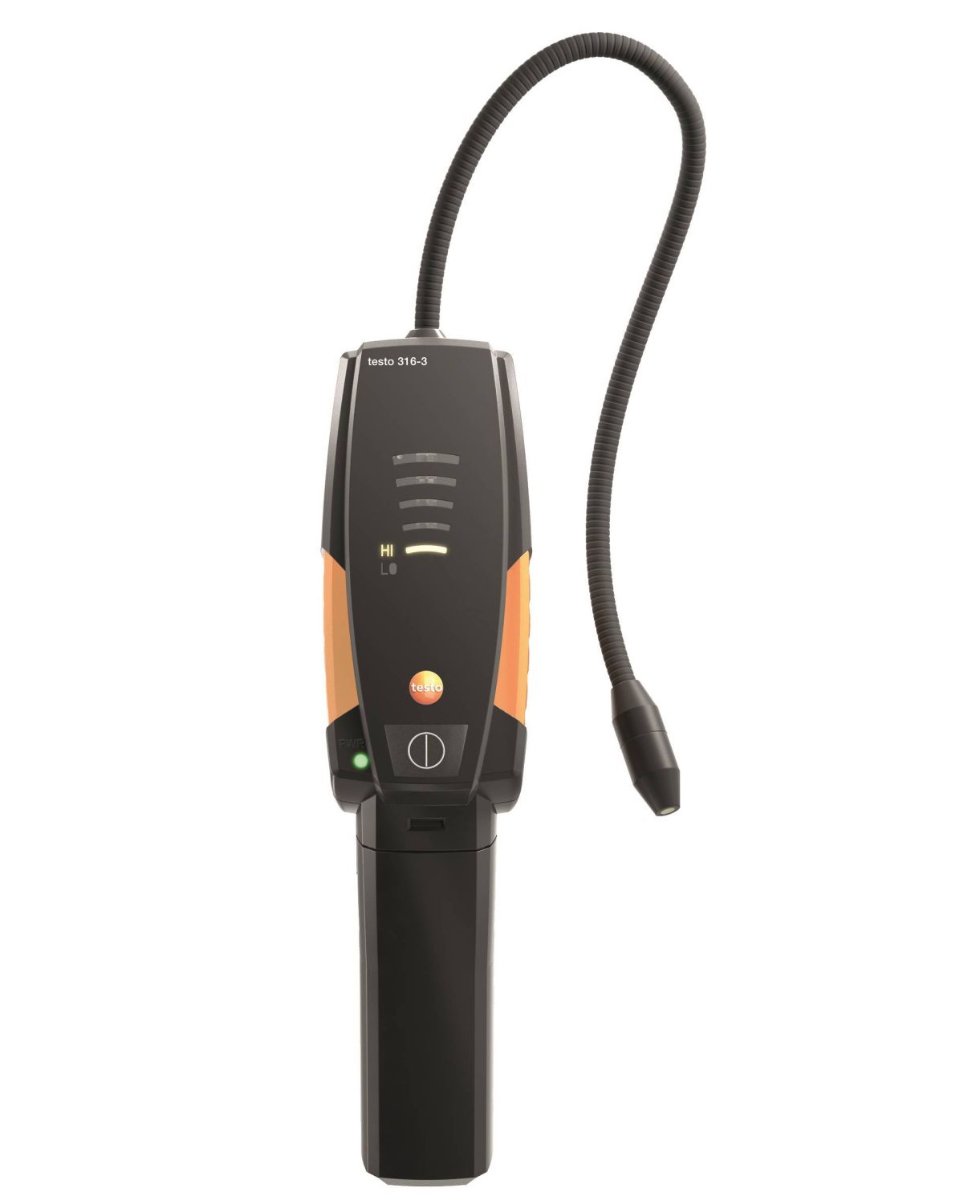

Description
Leak detection in refrigeration engineering? Sure thing! The testo 316-3 refrigerant leak detector can detect all the most common cooling agents and locate even the smallest leaks. Complies with all important regulations and norms. One piece of kit you as a refrigerant technician won’t want to be without.
Product Description
The testo 316-3 refrigerant leak detector is one piece of kit that you as a refrigerant technician just won’t want to be without. The handheld leak detector can detect all the most common cooling agents. And the smallest leaks. Comes with an automatic zero setting that also enables you to locate leaks in contaminated rooms.
testo 316-3 leak detector - benefits at a glance
What’s included
testo 316-3 refrigerant leak detector for cooling agents, sensor head, carry case, calibration certificate, batteries, filter.
Delivery Scope
testo 316-3 refrigerant leak detector for cooling agents, sensor head, carry case, calibration certificate, batteries, filter.
More products TESTO
TESTO 770-2 - HOOK CLAMP METER WITH THERMOCOUPLE ADAPTER
• Unique hook-on function separates and grabs wires, without using your hands
|
TESTO 549 - DIGITAL MANIFOLD
• 60 refrigerant profiles stored in the instrument |
TESTO 445 - SERVICE INSTRUMENT FOR AIR CONDITIONING / VENTILATION SYSTEMS
• Multi-function climate measuring instrument: measure up to 6 measurement parameters at the same time
|
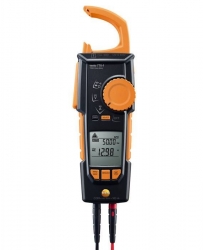
TESTO 770-1 - HOOK CLAMP METER
• Unique hook-on function separates and grabs wires, without using your hands
|
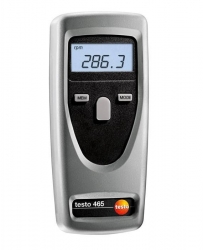
TESTO 465 - TACHOMETER KIT
• Extremely easy one-handed operation |
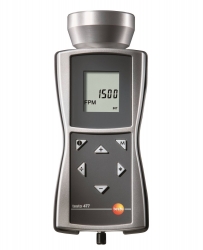
TESTO 477 - LED STROBOSCOPE
• Very high measurement range (up to 300,000 flashes per minute) |
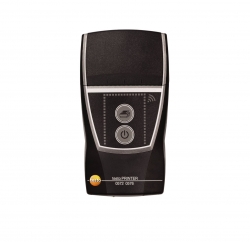
NFC THERMAL PRINTER FOR TESTO 184 LOGGERS
• NFC printer for testo 184 loggers, special USB cable for 175 and 176 loggers |
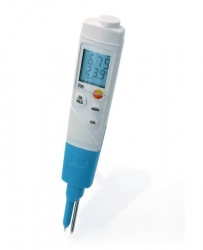
TESTO 206 PH2 - INSTRUMENT KIT
• pH2 probe head for semi-solid food |
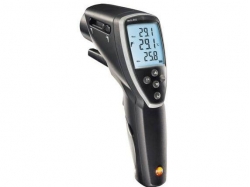
TESTO 845 WITH INTEGRATED HUMIDITY MODULE - INFRARED TEMPERATURE MEASURING INSTRUMENT WITH INTEGRATED HUMIDITY MODULE
• Switchable optics for far-field (75:1) and close-focus (1 mm, distance 70 mm) measurements |
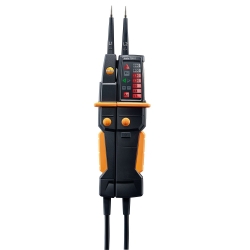
TESTO 750-2 - DIGITAL VOLTAGE TESTER WITH GFCI TEST
• GFCI Test Function |






 Datasheet
  PDF, 0.32 Mb