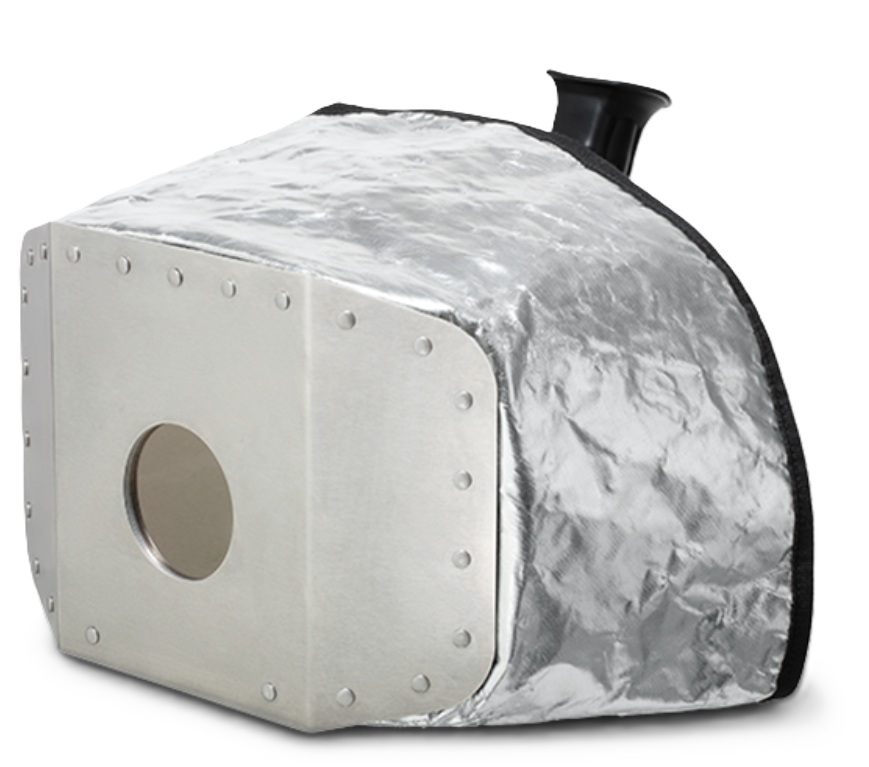
FLIR G609 High Temperature Boiler Furnace Inspection Heater

Code:


Datasheet PDF, 0.36 Mb
   

Description

FLIR G609
High Resolution Furnace and Boiler Inspection Camera

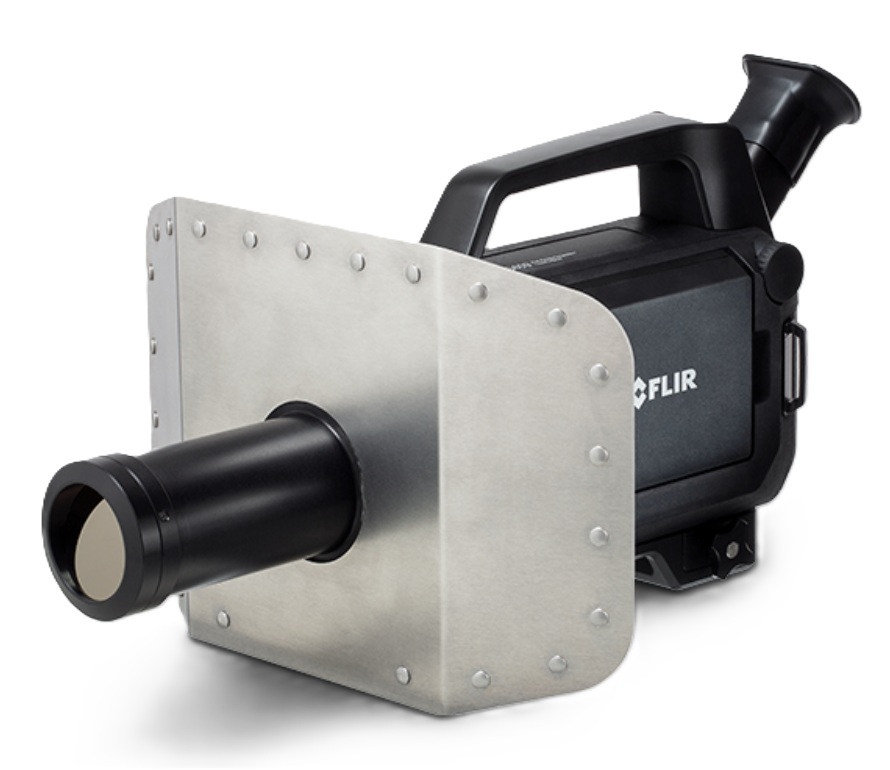
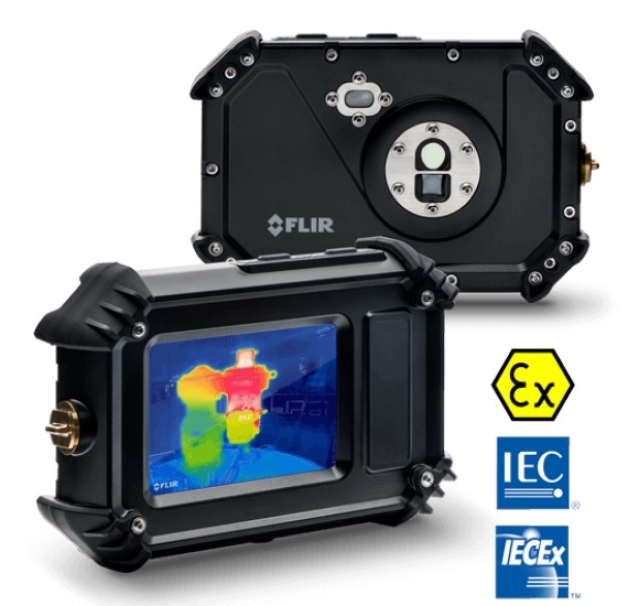
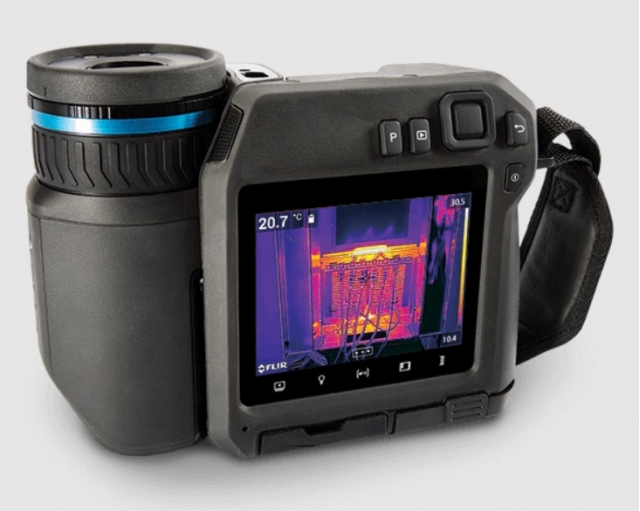
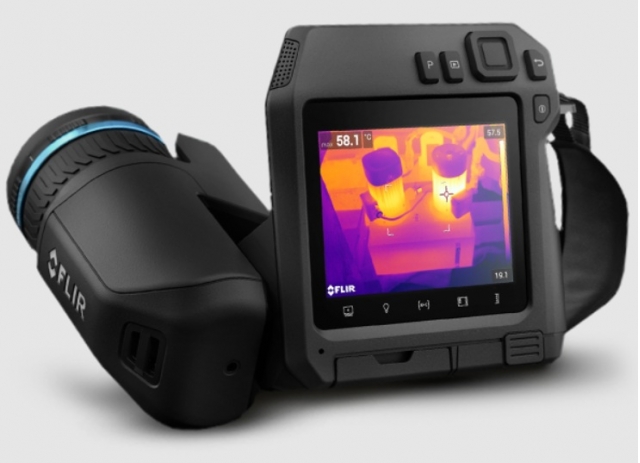
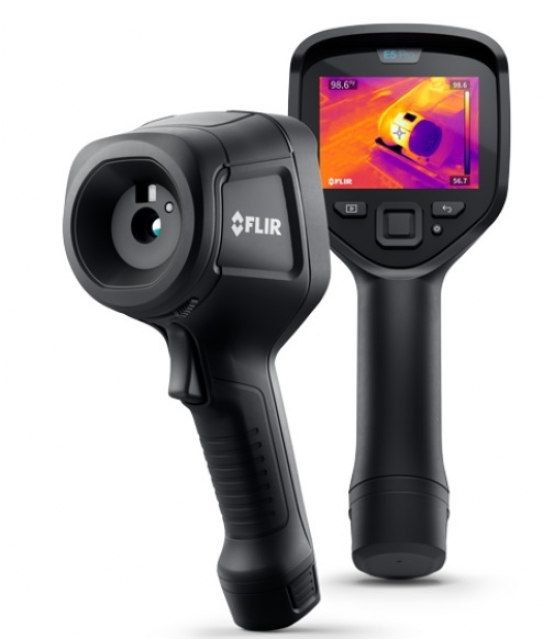
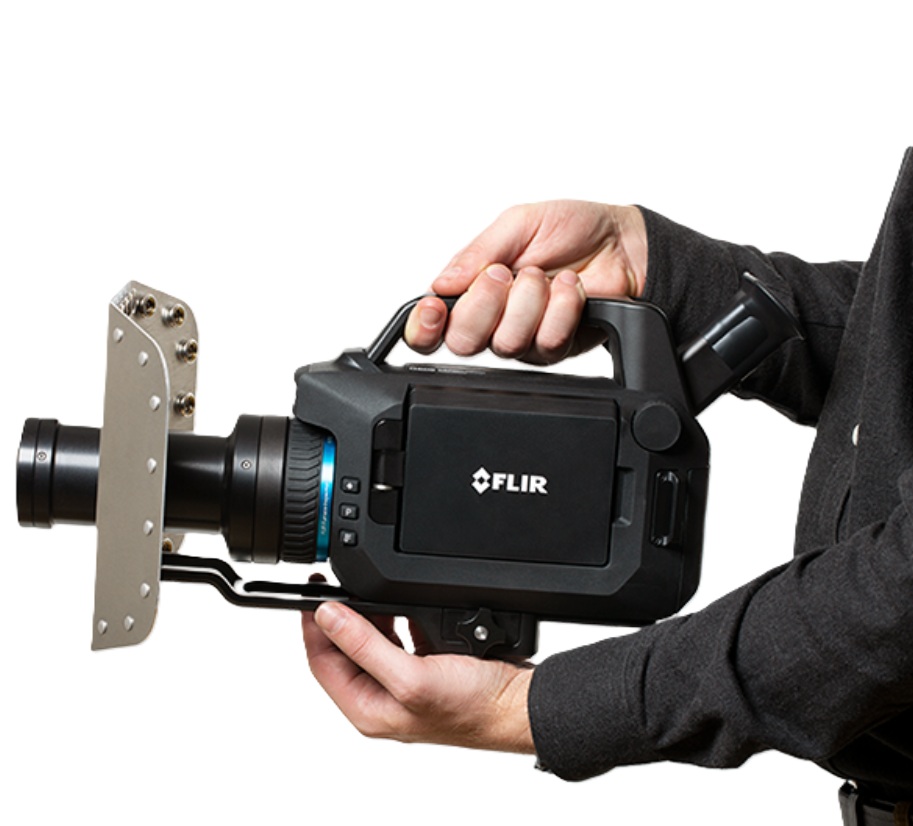
The FLIR G609 is designed to streamline inspections in high temperature industrial furnace applications. These infrared cameras are ideal for monitoring all types of furnaces, heaters, and boilers, particularly in the chemical, petrochemical, and utility industries. Engineered to see through flames, the G609 comes with a detachable heat shield, factory-calibrated furnace inspection lens, and a modern touchscreen interface. Together, these features enhance operator safety by reflecting heat away and providing a clearer view of assets, ensuring optimal protection and visibility during operation. When paired with Flir Thermal Studio Pro inspection software, the G609 allows users to create and run their own inspection maps to streamline their workflows, ensure consistent inspections, and record accurate, repeatable images.
 

More products FLIR

FLIR C3-X COMPACT INFRARED CAMERA

• 128 × 96 thermal resolution
• Measures temperatures up to 300°C (572°F)
• Automatic level/span


FLIR G304 INFRARED CAMERA FOR DETECTION OF HYDROFLUOROCARBON, REFRIGERANT, AND OTHER INDUSTRIAL GASES IN PRODUCTION FACILITIES AND CHEMICAL PLANTS

• The FLIR G304 is an innovative Optical Gas Imaging (OGI) camera
• used to detect possible hydrofluorocarbon, refrigerant, and other industrial gases in production facilities and chemical plants.


FLIR G609 HIGH TEMPERATURE BOILER FURNACE INSPECTION HEATER

• The FLIR G609 is designed to streamline inspections in high temperature industrial furnace applications
• These infrared cameras are ideal for monitoring all types of furnaces, heaters, and boilers, particularly in the chemical, petrochemical, and utility industries


FLIR GF77 GAS EMISSION CAMERA FOR METHANE, SULFUR HEXAFLUORIDE (SF6), ETHYLENE, AMMONIA

• Detect Gas Leaks at Substations and More
• The FLIR GF77 is a groundbreaking uncooled optical gas imaging camera
• with interchangeable lens options that detect methane, sulfur hexafluoride (SF6), ethylene, ammonia, and other gas emissions.


FLIR G343 INFRARED CAMERA FOR CARBON DIOXIDE EMISSIONS CO2

• The FLIR G343 is an innovative Optical Gas Imaging (OGI) camera
• used to visualize possible carbon dioxide (CO₂) gas leaks in complex systems including enhanced oil recovery, carbon capture systems, and hydrogen-cooled power generators.


FLIR SI2-PRO ACOUSTIC CAMERA FOR PARTIAL DISCHARGE DETECTION, PRESSURIZED LEAK DETECTION AND MECHANICAL FAULT DETECTION

• Mechanical fault detection for early identification of bearing problems, preventing costly downtime
• Quantify leak rate and cost of industrial gas and compressed air leaks, to prioritize repair and calculate savings
• On-camera and in-software severity assessment and type classification of partial discharge (PD) issues
• Automatic frequency tuning, 8x zoom, 12 MP digital camera,
• IP54 rating, and a QR code reader


FLIR I65 INFRARED THERMIC CAMERA WITH APP AND LTE

• App-Enabled Thermal Imaging Camera with LTE
• 480 × 640 thermal resolution
• <40 mK NETD


FLIR T1020 HD THERMAL INFRARED CAMERA 1024X768

• 1024 × 768 thermal resolution
• Measures temperatures up to 2000°C (3632°F)
• <20 mK NETD


FLIR G346 INFRARED CAMERA FOR EMISSION DETECTION OF CARBON MONOXIDE NITROUS OXIDE N2O

• The FLIR G346 is an innovative Optical Gas Imaging (OGI) camera
• used to detect carbon monoxide (CO), nitrous oxide (N₂O) and other dangerous and environmentally harmful gases in steel plants and industrial manufacturing facilities


FLIR SI2-LD ACOUSTIC CAMERA FOR AIR LEAK DETECTIONS AND MECANIC FAULTS BEARING

• Detects, locates, and measures compressed air and gas leaks;
• including bearing fault detection, from up to 200 m (656 ft) away
• Built-in measurement and cost analysis for industrial gases including ammonia, hydrogen, CO2, methane, helium, and argon
• One-handed operation with automatic tuning, 8x zoom, and a 12 MP digital camera
• Mechanical fault mode, automatic selection, and optimization of filters simplifies finding critical mechanical issues, such as bearing
• faults